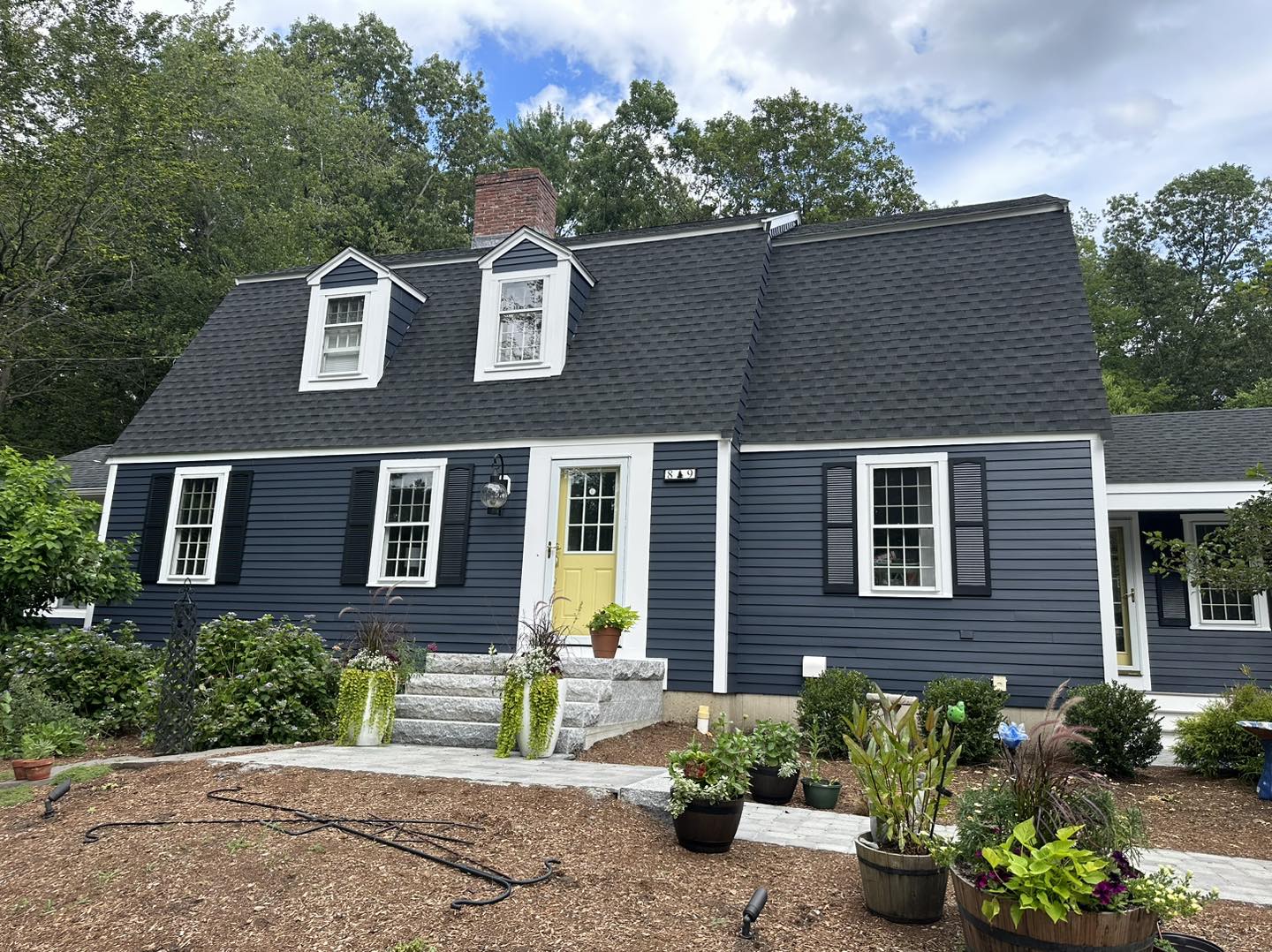
Understanding the Psychology of Color in Interior Design Dec 10, 2025
Beginning with warm colors, these tones are known for their ability to evoke warmth and comfort. Shades such as reds, oranges, and yellows are inviting and can stimulate conversation and activity. Consider using them in gathering spaces like the living room or kitchen where social interaction is key. A bold red accent wall or sunny yellow kitchen cabinets might just infuse your home with the vitality and vibrancy you seek.
On the other hand, cool colors such as blues, greens, and purples are celebrated for their calming and soothing effects. These hues are ideal for spaces dedicated to relaxation and rest, like bedrooms or bathrooms. Light-blue walls paired with soft green accents can foster a serene and peaceful environment, allowing the mind to unwind after a long day. Such choices are perfect for creating a personal retreat within your home.
Neutral colors are the understated heroes of interior design, offering versatility and sophistication. Whites, grays, and beiges serve as excellent backdrops for more vibrant accent colors or can stand alone to create a minimalist, clean look. Neutrals are ideal for any room as they allow for flexibility in decor and furniture choices, sitting comfortably with a variety of styles and tastes. A gallery wall on a subtle gray wall can become a brilliant focal point without overwhelming the space.
Moving beyond color basics, consider how different shades within the same color family can dramatically change the feel of your space. Light hues of green may bring freshness and tranquility to a room, while darker tones such as forest green add a touch of luxury and richness. Experimenting with different shades and tints can help personalize your space and reflect the nuances of your taste and personality.
It is also crucial to understand how lighting can alter the perception of color. Natural light variably interacts with colors throughout the day, while artificial lighting can shift the tone entirely. It's wise to test paint samples in different lighting conditions before making a final decision. This step ensures your chosen palette agrees with the light setting in your specific interior.
Color harmony brings a sense of balance and cohesion to a space. At Gilaj Painting LLC, we recommend using the color wheel as a guide for creating complementary or monochromatic color schemes. Complementary colors sit opposite each other on the wheel and when used together, they create vibrant contrast and energy. Monochromatic schemes, using different shades from the same color family, yield a more harmonious and unified look.
In conclusion, tapping into the psychology of color can significantly influence the ambiance and functionality of your living spaces. Although choosing the right color might seem overwhelming, it can also be an exciting and rewarding process. The team at Gilaj Painting LLC is dedicated to helping you explore the world of color to create a home that not only reflects your personality but also supports your lifestyle. By thoughtfully considering color choices, you can transform your interiors into spaces you love and enjoy every day.