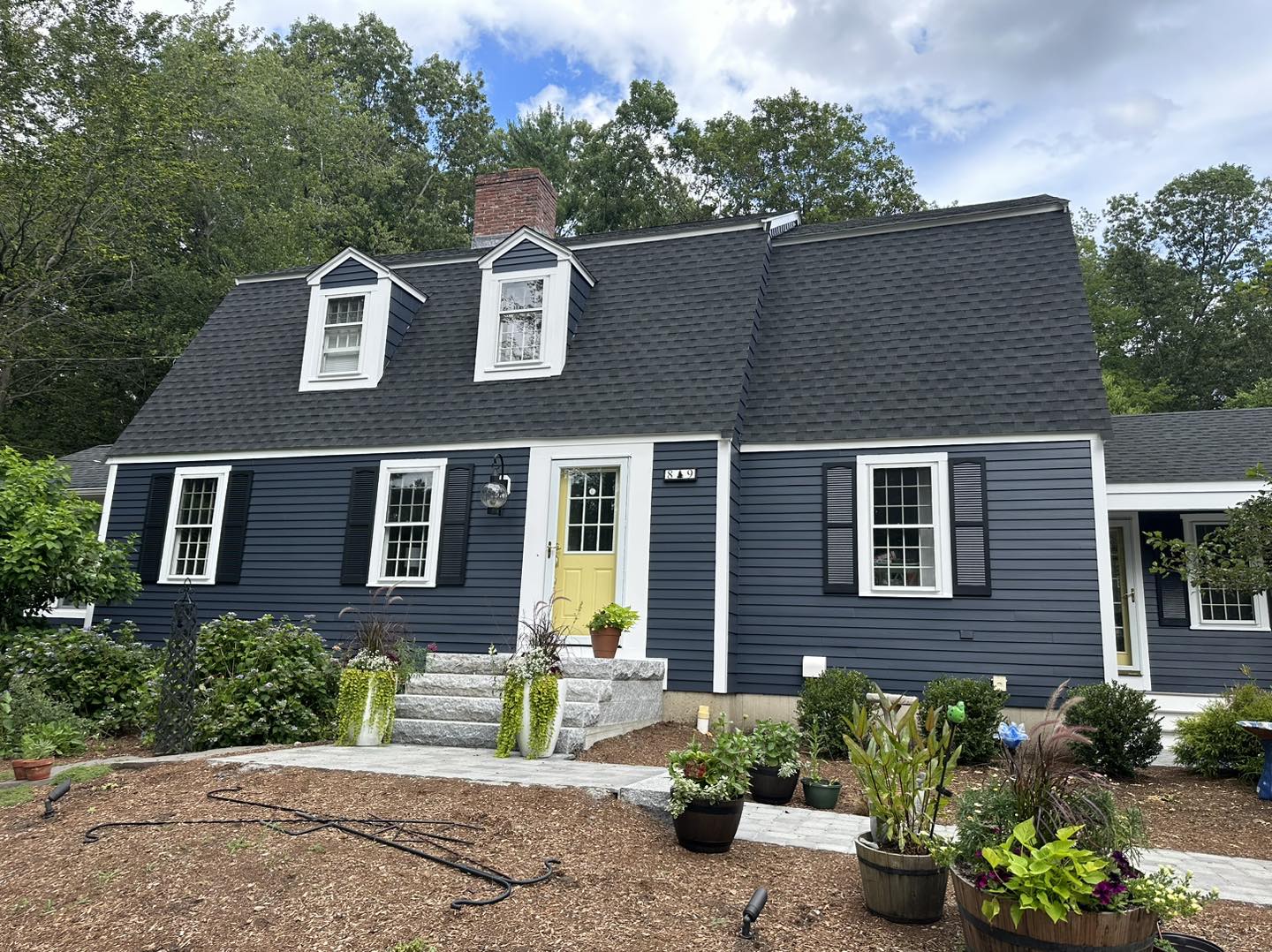
Color Through the Ages: Exploring Historical Shades for a Classic Look May 05, 2026
Colors Define Eras
Throughout history, color has been a reflection not just of aesthetic preferences but also of cultural and technological advancements. By choosing historical shades, you're not only selecting a color but embracing the stories and significance behind them.
The Renaissance and its Rich Tones
During the Renaissance, colors were bold and deeply saturated, reflecting the period's emphasis on grandeur and luxury. Examples include the use of deep blues and rich reds, created with expensive pigments like lapis lazuli and vermilion. To incorporate these historic colors, consider using them in formal areas such as dining rooms or living spaces where a sense of opulence is fitting.
The Elegance of the Victorian Era
The Victorian era is renowned for its delicate yet dignified color choices. Muted shades of mauve, sage green, and mustard yellow were prevalent, often seen in wallpapers and textiles. These colors were soft and easy on the eyes, ideal for bedrooms or studies where comfort and tranquility are desirable. Using these in combination with dark wood trim can enhance the classic Victorian look.
Art Deco's Bold Experimentation
Fast forward to the early 20th century, the Art Deco movement introduced a palette that included dramatic contrasts and metallic tones. Colors like emerald green, black, gold, and purple were popular. These shades are perfect for creating dramatic features in entryways or as accent walls, giving your space a lively, theatrical ambiance that speaks to an era defined by innovation and exuberance.
Mid-Century Modern Simplicity
The post-World War II period ushered in the Mid-Century Modern design, characterized by simplicity and functionality. The colors were vibrant, with shades of avocado green, mustard, and burnt orange taking center stage. These hues are excellent for those who want to create a playful yet stylish environment, especially in kitchens and family rooms where gathering and interaction are common.
Harmonizing Historical Colors Today
When incorporating historical colors into modern spaces, consider the lighting and existing decor to ensure a seamless blend. These colors can serve as focal points or subtle accents that elevate your home's aesthetic. At Gilaj Painting LLC, we suggest starting with a small area to test how a color interacts with your space before committing to larger-scale applications.
Customizing Your Classic Touch
Remember, while drawing inspiration from historical palettes, personalization is key. Mix and match with modern shades to create a unique look that fits your individual style. Gilaj Painting LLC is here to assist you with expert advice and high-quality painting services, ensuring that the historical colors you choose are applied with precision and care for an enduring finish.
Concluding with Classic Charm
Incorporating historical colors into your home is like inviting pieces of history into your daily life. By selecting shades that have stood the test of time, you're opting for a classic look that will never go out of style. Whether you choose the rich tones of the Renaissance or the vibrant hues of Mid-Century Modern, let Gilaj Painting LLC aid you in achieving a look that's both timeless and uniquely yours. Embrace the past with the confidence that your home will be a testament to elegance and tradition.